Neverwinter Classes Guide: All 9 Classes and Paragons
Neverwinter classes explained: all nine classes, their two paragon paths, tank, healer and DPS roles, and which one fits your playstyle best right now.
Jump to
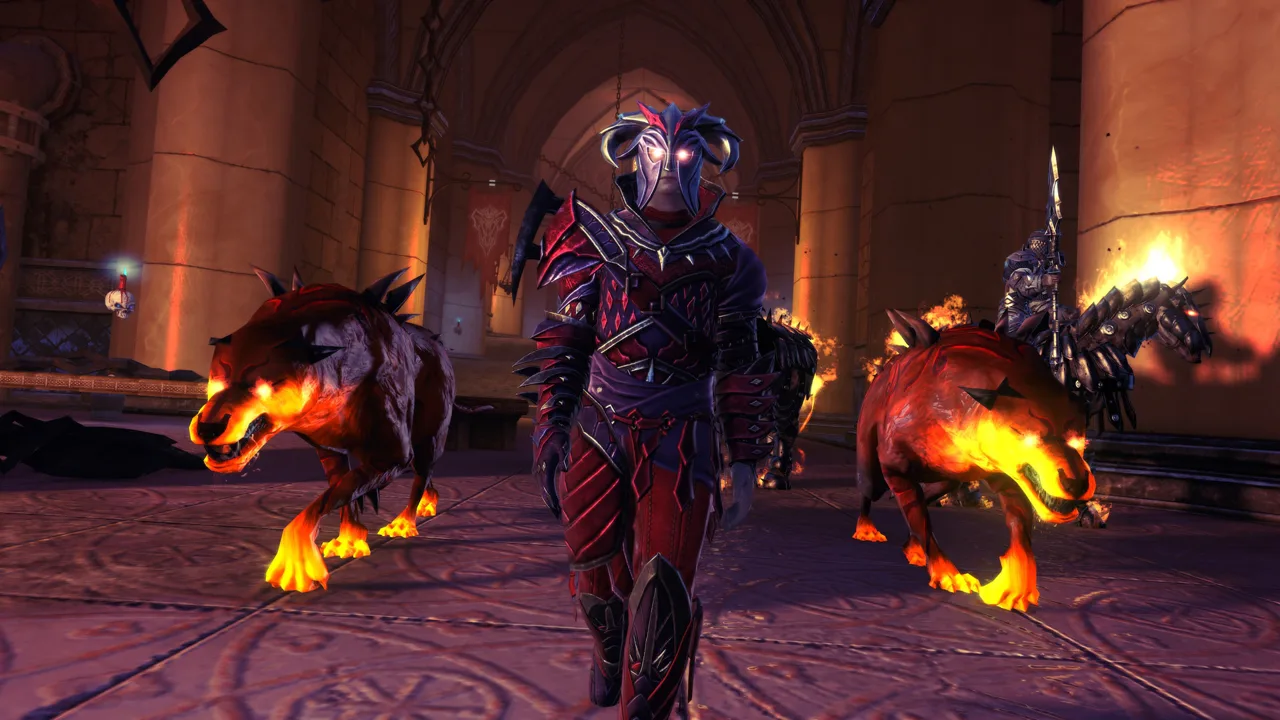
Your class decides how you play every dungeon, trial and Heroic Encounter. Neverwinter classes each split into two paragon paths, and those paths set whether you tank, heal or deal damage for your group. Here is how all nine classes and their 18 paragons play, so you can pick one you'll enjoy for hundreds of hours.
How Classes and Paragons Work
Neverwinter runs on the classic trinity of tank, healer and DPS. Every class has two paragon paths, and the paragon sets your group role:
- Two-role classes: Fighter, Barbarian, Paladin, Cleric, Warlock and Bard each offer two different roles.
- Pure DPS classes: Wizard, Rogue and Ranger have two damage paragons and nothing else.
All nine classes are free to play, with nothing to unlock. You only need a character slot, and free accounts start with two. The game is designed around playing more than one character on your account in the long run, so try a few classes and see what clicks. There's no way to change a character's class later, so trying a different class means rolling a new character.
| Class | Paragon 1 | Paragon 2 |
|---|---|---|
| Fighter | Dreadnought (DPS) | Vanguard (Tank) |
| Barbarian | Blademaster (DPS) | Sentinel (Tank) |
| Paladin | Justicar (Tank) | Oathkeeper (Healer) |
| Cleric | Arbiter (DPS) | Devout (Healer) |
| Wizard | Thaumaturge (DPS) | Arcanist (DPS) |
| Warlock | Hellbringer (DPS) | Soulweaver (Healer) |
| Rogue | Assassin (DPS) | Whisperknife (DPS) |
| Ranger | Hunter (DPS) | Warden (DPS) |
| Bard | Songblade (DPS) | Minstrel (Healer) |
Tank Classes: Vanguard, Justicar and Sentinel
A tank has two jobs. You hold the attention of enemies, and you survive their hits.
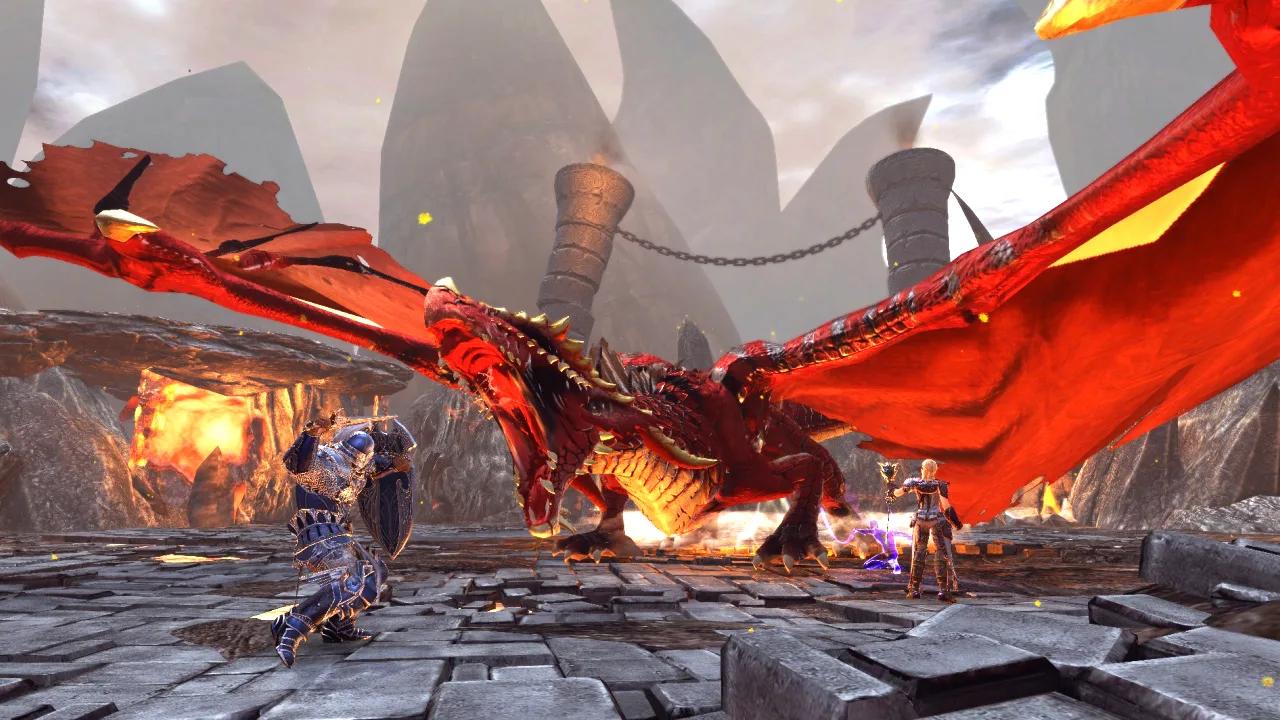 Image: Steam / Cryptic Studios
- Paladin Justicar: Absorbs tons of damage with its Tab power and puts out strong burst through a Divinity pool that lets you chain several encounter powers before it runs dry. It shines against groups of enemies in AoE fights and is still very good on single targets, though less consistent there than the Fighter. It has a slightly higher skill ceiling than the Fighter tank, but practice gets you there.
- Fighter Vanguard: Generates very good threat over time, but that becomes a weakness in burst fights where a damage dealer unloads a ton of damage in a short window. It sits in the middle of the pack as a tank.
- Barbarian Sentinel: Raises its sword to block incoming hits and can work in dungeons with an easy, experienced party. It's really bad at holding aggro compared to the other tanks.
For tank stats, focus on Defense and Awareness first, then Critical Avoidance and Deflection. After that, Deflect Severity, Forte, Power, Combat Advantage and Incoming Healing are nice extras. Paladins should treat Forte as a secondary stat because of their reliance on Divinity.
Healer Classes: Devout, Oathkeeper, Soulweaver and Minstrel
Healers spend a class resource on their heals, called Divinity, Performance or Soulweave depending on the class. Clerics and Paladins both run on a Divinity pool.
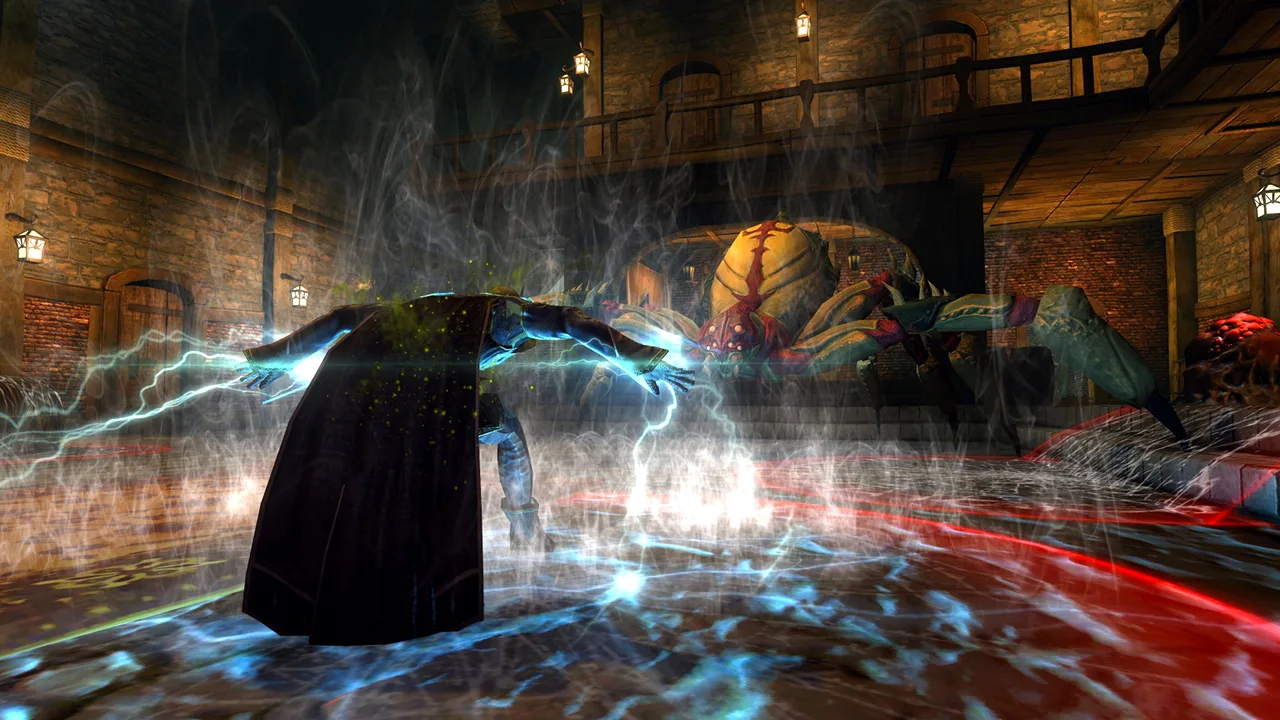 Image: Steam / Cryptic Studios
- Cleric Devout: Very good at pure healing and very new-player friendly. Keep a heal-over-time running by recasting it roughly every 20 seconds, then back it up with burst heals from your daily powers or Intercession.
- Paladin Oathkeeper: Heals through shields that grow with your stats. It used to be the best healer in the game, but its shields are much smaller now.
- Warlock Soulweaver: Heals and damages over time and stays very mobile. Shadow Slip lets you dash to a downed ally and revive them quickly. Its area heals cover only about a 10-foot radius, so allies have to stand inside them.
- Bard Minstrel: Uses heal-over-time effects, heals that trigger when an ally drops low, and occasional big heals on one or two targets. It also buffs allies, which makes it a solid pick for easier content where you want your damage dealers hitting harder.
For healer stats, focus on Power and Outgoing Healing first, then Critical Strike, Critical Severity and Forte. Defense and Awareness come after that.
DPS Classes: Ranged, Melee and Hybrid Picks
Ranged damage dealers have an easier time in a lot of content. Many boss mechanics pull players away from the boss, which costs melee classes uptime, and damage meters let everyone compare output.
 Image: Steam / Cryptic Studios
| Paragon | Playstyle |
|---|---|
| Wizard Thaumaturge / Arcanist | Casts D&D-style spells, hits multiple enemies and controls the battlefield |
| Warlock Hellbringer | Damage over time, strongest in long fights where the boss stays put |
| Cleric Arbiter | High burst from a Divinity pool, strong single-target damage, weaker AoE unless enemies are grouped |
| Rogue Whisperknife | Throws daggers, good in AoE but weak on single targets |
| Rogue Assassin | Close-quarters melee |
| Barbarian Blademaster | Two-handed weapon, good in both single-target and AoE fights |
| Fighter Dreadnought | Lots of damage in both area and single-target fights thanks to very high power magnitudes |
| Ranger Hunter / Warden | Swap between bow and daggers, really good in both AoE and single target |
| Bard Songblade | Buffs allies with Inspiration and gains mobility in AoE fights |
The Wizard has a teleport in place of a dodge roll, and it can slot any encounter power on Tab to give that power an extra effect.
Some other mechanics set these classes apart:
- Rogue: Tab turns you invisible for a limited time, and attacks from stealth gain combat advantage. Some bosses ignore stealth. Against normal enemies, pop invisibility in solo content to stop taking hits while you heal up.
- Barbarian: You get a sprint in place of the usual dodge roll, which gives you a burst of mobility.
- Ranger: Switch stance to fight from range with the bow or up close with daggers, and stack gear that adds even more buffs.
- Fighter: Pretty easy to play, though squeezing out its full potential takes practice.
- Bard: Perform Mode plays songs that buff, heal or damage, but every song is a sequence of notes, which makes the class challenging for newer players.
To play Bard songs with a single key, bind each song with a /bind command built from +PowerMusicNoteExec note IDs. Some song commands are too long for the chat box. For those, run /bind_save_file NWKeyBinds.txt, add the binds to that file in your Neverwinter Live folder, then load it with /bind_load_file NWKeyBinds.txt. Don't use a key that's already bound to something else, or you'll overwrite it.
Stats, Ability Scores and Races for Each Role
Classes lean on different primary abilities:
| Class | Primary Ability | Secondary Abilities |
|---|---|---|
| Fighter | Constitution | Strength, Dexterity |
| Barbarian | Strength | Constitution, Dexterity |
| Paladin | Charisma | Constitution, Intelligence |
| Cleric | Wisdom | Intelligence, Charisma |
| Wizard | Intelligence | Wisdom, Charisma |
| Rogue | Dexterity | Strength, Charisma |
| Ranger | Dexterity | Wisdom, Strength |
Each ability score feeds two stats:
- Strength: Stamina regeneration and physical damage
- Constitution: Maximum hit points and Action Point gain
- Dexterity: Critical Severity and movement speed
- Intelligence: Control bonus and magical damage
- Wisdom: Control resist and Outgoing Healing
- Charisma: Forte and recharge speed
Ratings give up to 50% of a stat once they match your item level, and boons, companions, mounts and consumables push it higher from there.
| Role | Primary Stats | Secondary Stats |
|---|---|---|
| DPS | Power, Combat Advantage | Critical Strike, Critical Severity |
| Tank | Defense, Awareness | Critical Avoidance, Deflection |
| Healer | Power, Outgoing Healing | Critical Strike, Critical Severity, Forte |
Race matters less than class, but it gives a small boost:
- DPS: Half-Orc adds 5% Critical Severity, and Tiefling deals 5% extra damage to targets below half health.
- Tank: Dwarf adds Defense and resists knock and push effects.
- Premium races: Dragonborn comes from the Zen Market.
Pick your class first, then choose the race whose bonuses match it.
Choosing Your First Class
- Want a flexible main? Pick a two-role class such as Paladin, Cleric, Warlock, Bard, Fighter or Barbarian, so you can switch paragons to fit what your group needs.
- First time tanking? Paladin Justicar handles groups of enemies well and gets easier with practice.
- First time healing? Devout Cleric is simple, steady and new-player friendly.
- Want a comfortable solo class? Rogue's invisibility keeps enemies off you in solo content while you heal.
- Enjoy a high skill ceiling? Arbiter Cleric and Bard reward practice, but they're challenging for brand-new players.
Max level is 20, and you get there by finishing the main story, not by grinding XP. If a class doesn't click, roll another. Neverwinter is free on Steam and through the official site.
Continue with
 Neverwinter Cleric Guide: Arbiter Rotation & Devout HealingMaster the Neverwinter cleric with the Arbiter Perfect Balance rotation, the Devout healer rework, plus artifacts, companions and gear to chase first.
More in Classes

Neverwinter Best Solo Class 2026: Top Picks and Builds
Find the Neverwinter best solo class for 2026: why the Barbarian leads, how Wizard, Ranger and Warlock compare, plus the stats and companions solo needs.

Neverwinter Paladin Guide: Justicar Tank & Oathkeeper Tips
Master the Neverwinter paladin: Justicar tank powers, divinity management, Oathkeeper healing and gear tips like the Winter's Mark bracers. Start here.
Neverwinter Races: Racial Traits and Best Picks by Role
Compare all 15 Neverwinter races, their racial traits and stat bonuses, see which suit DPS, tanks and healers, and learn how to unlock paid races for free.
Neverwinter Tier List: Best DPS, Tank and Healer Ranked
Our Neverwinter tier list ranks every DPS, tank and healer paragon by burst damage and ease of play. Find the strongest class before your next trial run.
Continue exploring
Neverwinter Barbarian Build: Blademaster Rotation & Gear
Our Neverwinter barbarian build covers Blademaster powers, feats, the artifact call rotation, gear progression, mounts and companions to max your damage.

Neverwinter Rogue Build: Whisperknife DPS Setup Guide
Our Neverwinter rogue build covers Whisperknife single-target and AoE rotations, stats, gear, mounts and companions. Discover how to top the damage charts.
Join the community
Official channels for news, updates and player help: